Can You Use HSA or FSA to Buy a Massage Chair?
It is one of the most common questions we get, and it deserves a straight answer. Can you use HSA or FSA funds to buy a massage chair? Sometimes, under specific conditions, and only when a licensed provider ties the purchase to a genuine medical need. It is not a simple yes, and anyone promising you a guaranteed write-off is overselling it.
This guide explains how the pieces fit together, including what HSA and FSA accounts are for, the concept of a Letter of Medical Necessity, where the eligibility nuance lives, and the general steps to explore it responsibly. The goal is to help you have an informed conversation with the right people, not to hand you a loophole.
One important note up front, and we will repeat it. This is general information, not tax or medical advice. Rules vary by plan and change over time. Always confirm with your own plan administrator, and where relevant a tax professional and your clinician, before counting on anything here.
What HSA and FSA accounts are actually for
Both a Health Savings Account, or HSA, and a Flexible Spending Account, or FSA, let you set aside pre-tax money to spend on qualified medical expenses. That pre-tax part is the appeal, because you are effectively paying with dollars that were never taxed, which stretches them further.
The catch is the phrase qualified medical expenses. These accounts exist to cover care and equipment that address a medical condition, not general wellness or comfort purchases. A massage chair bought purely because it feels nice is a personal expense, not a medical one. The question is always whether, in your specific situation, a chair crosses from nice to have into medically necessary. That line is exactly where the Letter of Medical Necessity comes in.
The Letter of Medical Necessity, explained
A Letter of Medical Necessity, often shortened to LMN, is a document from a licensed healthcare provider stating that a specific item is needed to treat, manage, or alleviate a diagnosed medical condition. It is the bridge between an item that is normally a personal expense and one that may qualify for HSA or FSA reimbursement.
For a massage chair, an LMN would typically come from a clinician who is treating you for a qualifying condition, and it would explain how the chair supports that treatment. The letter generally identifies the condition, connects the item to the clinical need, and is signed and dated by the provider. It is not a form you fill out yourself, because the medical judgment has to come from your provider.
Two things are worth understanding clearly. First, an LMN is a genuine clinical statement, not a formality, so your provider has to actually believe the chair serves your care. Second, an LMN does not guarantee reimbursement. It supports your case, but your plan administrator makes the call under their rules and current tax guidance.
Where the eligibility nuance really lives
This is the part the just-get-a-letter advice skips. Eligibility is not decided by the chair alone. It is decided by the intersection of your condition, your provider's judgment, and your specific plan's rules.
- Your condition matters. General relaxation or everyday stress is typically not enough. A qualifying condition, such as chronic musculoskeletal pain, persistent muscle tension, or poor circulation, is a different conversation. If back pain is your reason, discuss it with your clinician first, and see our massage chair for back pain guide for general context.
- Your provider's judgment matters. The LMN has to reflect a real clinical rationale, and a provider will not, and should not, write one they do not stand behind.
- Your plan's rules matter. HSA and FSA administrators interpret qualified-expense guidance, and they can differ in what documentation they require and accept. A massage chair usually sits in the case-by-case zone that needs documentation rather than the clearly-eligible one.
Because all three have to line up, two people can get different answers for the same chair. That is not a contradiction. It is how the system is designed to work.
General steps to explore it
If you think your situation might qualify, here is a sensible, responsible way to approach it. None of these steps guarantees an outcome, but together they give you the best-informed footing.
- Talk to your clinician first. Ask whether a massage chair genuinely fits your treatment and whether they would be comfortable providing a Letter of Medical Necessity. If the honest answer is no, that is your answer, so do not shop for a provider who will simply say yes.
- Contact your plan administrator. Before you buy, ask exactly what they require, whether pre-approval is possible, and how reimbursement or direct payment works for durable items like this.
- Keep thorough records. Save the LMN, the itemized receipt, and any correspondence, because documentation is what turns an eligible expense into an accepted one.
- Understand the payment path. Some people pay out of pocket and submit for reimbursement, while others may be able to use an HSA or FSA card directly. Your administrator will tell you which applies.
- Confirm the tax picture. If there is any doubt about how this affects your taxes, ask a tax professional, because it is a small cost for real certainty.
Follow the steps in that order. Starting with your clinician keeps the whole process honest and grounded in real medical need.
HSA and FSA, the differences that affect timing
People often lump the two accounts together, but they behave differently, and those differences can shape how you approach a larger purchase like a chair.
An HSA is generally owned by you, and the balance typically rolls over year to year rather than expiring, which makes it easier to save up deliberately for a bigger eligible expense over time. An FSA is usually tied to your employer and often carries some form of use-it-or-lose-it timing, meaning funds may need to be spent within a plan year or a limited grace window. Some FSAs offer a small carryover, but the specifics depend entirely on your employer's plan.
Why does this matter for a massage chair? Because a chair is a single, larger purchase rather than a recurring small one. If you are working with an FSA, timing and available balance can be tighter, and pre-approval questions become more important. If you are working with an HSA, you may have more flexibility to plan the purchase around a documented medical need. Neither changes the core eligibility question, since both still require the expense to genuinely qualify, but they change the practical logistics. Your plan administrator is the authority on how your specific account handles all of this.
A note on choosing the chair itself
If you do move forward, the eligibility conversation and the chair-selection conversation are separate, and both deserve care. An HSA or FSA does not change what makes a chair good for your body. It only changes how you might pay for it.
So choose the chair the same way anyone should, by matching it to your body, your space, and your needs. Our complete buyer's guide walks through fit, roller type, and features, and our price guide shows what you get at each budget. If your goal is targeted relief, a chair with a longer track and good lower-back coverage tends to matter more than flashy extras. When you are ready to compare finalists, browse the collection or check our best massage chairs 2026 ranking.
Frequently Asked Questions
Can I use my HSA or FSA to buy a massage chair?
Potentially, but only under specific conditions. A massage chair is normally a personal expense, not a qualified medical one. It may become HSA or FSA eligible if a licensed provider issues a Letter of Medical Necessity tying the chair to a diagnosed condition, and if your plan administrator accepts it under current rules. It is never automatic, and eligibility varies by plan.
What is a Letter of Medical Necessity?
It is a signed document from a licensed healthcare provider stating that a specific item is needed to treat or manage a diagnosed medical condition. For a massage chair, it would explain how the chair supports your treatment. The letter supports a reimbursement claim but does not guarantee it, since your plan administrator makes the final decision.
Does a Letter of Medical Necessity guarantee my chair is covered?
No. An LMN strengthens your case, but it does not guarantee reimbursement. Your HSA or FSA administrator interprets the rules and current tax guidance, and they decide whether the expense qualifies and what documentation they require. Always confirm with them before assuming coverage.
What steps should I take before buying?
Start by asking your clinician whether a chair genuinely fits your treatment and whether they would provide an LMN. Then contact your plan administrator to learn exactly what documentation and process they require, ideally before you buy. Keep the letter, itemized receipt, and correspondence, and consult a tax professional if you have any doubt.
Is this tax or medical advice?
No. This article is general information only. HSA and FSA rules vary by plan and change over time, and only your provider, plan administrator, and where relevant a tax professional can tell you what applies to your situation. Please confirm with them before counting on eligibility.
Explore your options the right way
Using pre-tax dollars for a massage chair is sometimes possible, but it starts with a real medical need, an honest conversation with your clinician, and clear confirmation from your plan administrator, not with a shortcut. Take those steps in order, keep good records, and get professional confirmation where it counts.
When you are ready to choose a chair on its merits, browse the collection, and use our buyer's guide to find the one that truly fits you.
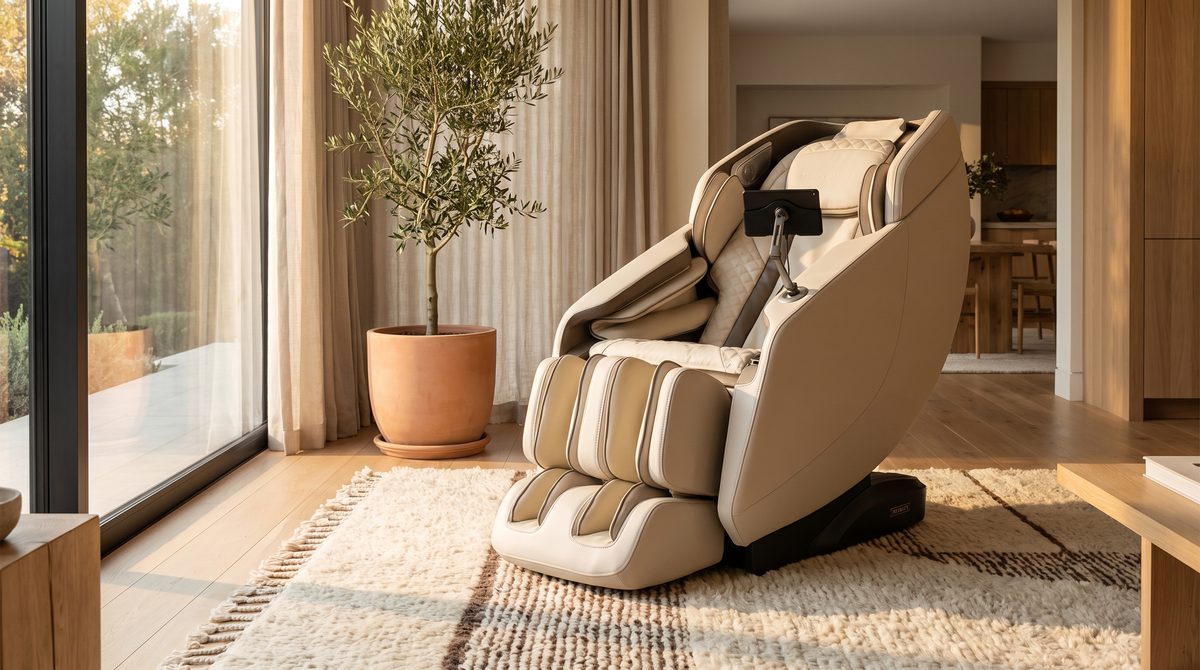
The chair featured in this article
Celebrity Elite 4D Massage Chair
View this chair →