Massage Chair for Sleep, Can 15 Minutes a Day Help?
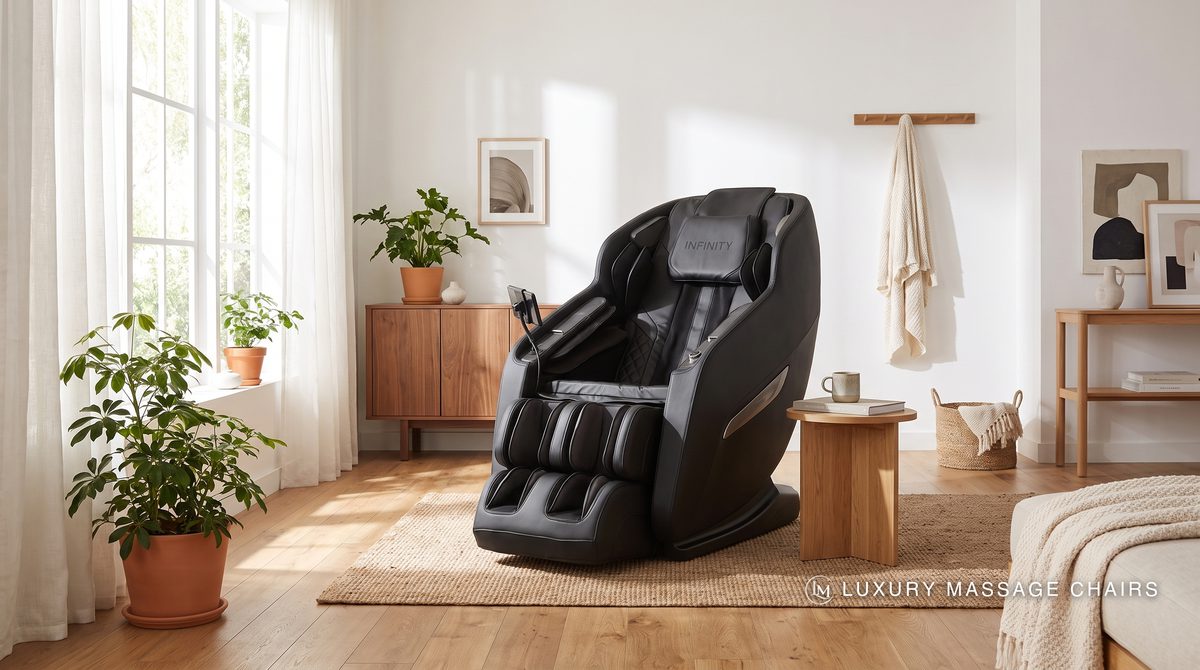
Falling asleep is not something you can force. The harder you try, the more awake you feel. What actually works is the opposite, giving your body and mind a calm, repeatable signal that the day is over. A massage chair for sleep can be part of that signal, not because it knocks you out, but because fifteen quiet minutes of gentle massage helps your nervous system downshift.
That is the honest framing for this whole topic. A massage chair is not a sleeping pill and it is not a treatment for insomnia. It is a tool for relaxation and winding down, and relaxation is one of the most reliable on-ramps to good sleep there is.
This guide explains how gentle evening massage supports winding down, how to build a simple routine around it, which programs and features matter for sleep, and where the realistic limits are. If you struggle with sleep consistently, we will also point you toward the right kind of help.
How relaxation sets up sleep
Your body runs on two broad modes. One is the alert, get-things-done state driven by the sympathetic nervous system. The other is the calm, rest-and-recover state driven by the parasympathetic nervous system. Good sleep lives on the parasympathetic side, and most of us spend the evening stuck on the wrong side of that line.
Screens, work stress, late meals, and a racing mind all keep the alert system humming past the point it should. That is why you can be exhausted and still lie awake. The fix is not more effort, it is a deliberate wind-down that coaxes your body across into the calm state.
Gentle, rhythmic massage is well suited to that. Slow, predictable pressure and a warm, supported recline are exactly the kind of input that tells your nervous system it is safe to stand down. Research on massage broadly suggests it can help many people feel more relaxed and less tense, and that relaxed, unclenched state is the doorway to sleep.
What a massage chair can and cannot do for sleep
Let us be honest about the limits before we talk technique, because this category attracts overpromises.
A massage chair can help you relax before bed, ease the muscle tension and restlessness that keep you fidgeting, and give you a consistent ritual that signals sleep is coming. Those are real, worthwhile effects. Many people find that a calm body falls asleep faster and with less struggle.
A massage chair cannot cure insomnia, treat sleep apnea or restless legs, or override poor sleep habits. If you are wired on caffeine late at night with your phone six inches from your face, no chair will save the night. It is one supportive piece of a bigger picture, and it works best when the rest of your routine is pointed the same direction.
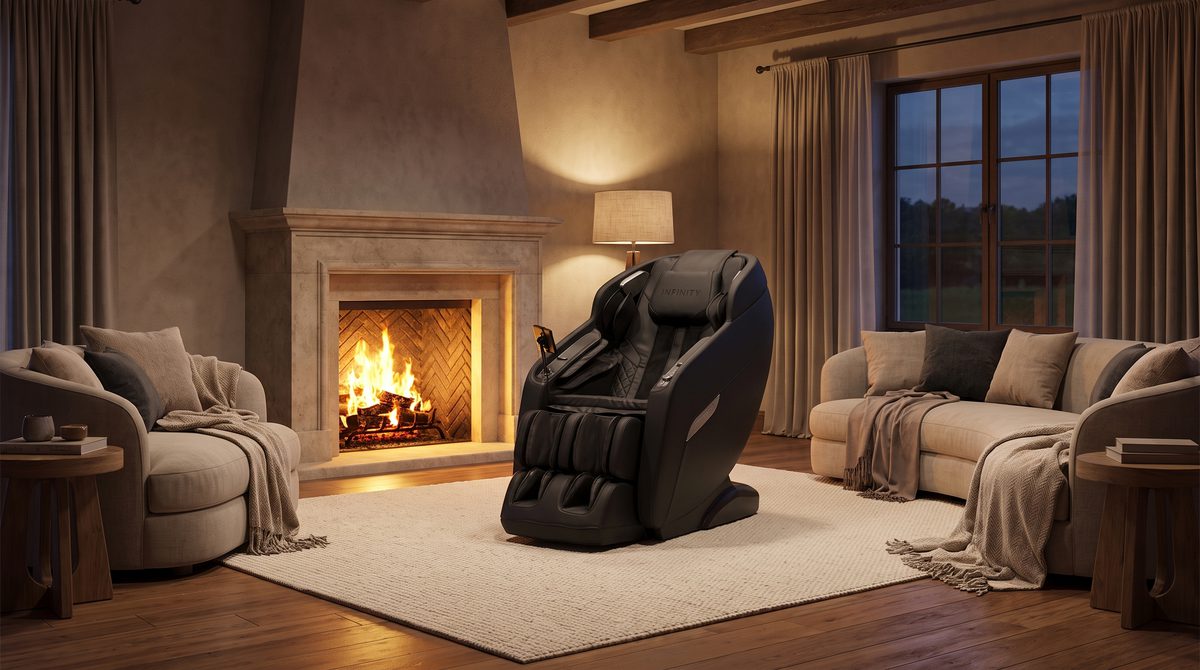
Building an evening wind-down routine
The chair is most powerful as the centerpiece of a short, consistent ritual. Consistency is what teaches your body the pattern, so aim to do roughly the same thing at roughly the same time each night.
- Dim the lights an hour before bed and start stepping away from screens
- Have any herbal tea or light snack you like, nothing heavy or caffeinated
- Settle into the chair for a gentle ten-to-fifteen-minute program
- Recline into zero gravity and let your breathing slow and deepen
- Go straight from the chair to bed while you are still calm and loose
The last point is the one people miss. The value is in the transition. If you finish a soothing session and then answer emails for an hour, you have thrown away the calm you just built. Treat the chair as the final stop before bed, not a mid-evening break.
Programs and features that suit sleep
Not every massage is a bedtime massage. A deep, invigorating sports program will wake you up, which is great in the morning and counterproductive at night. For sleep, you want the gentle end of the chair's range.
Look for and lean on these.
- Gentle or relaxation programs with slow, light, rhythmic strokes rather than deep kneading
- Lower-body and calf massage, which many people find especially soothing before bed
- A comfortable zero-gravity recline that takes weight off your spine and lets your muscles fully release
- Low, warm heat on the lower back to help you unclench
Zero gravity deserves a special mention for sleep. Reclining so your knees rise toward heart level distributes your weight across the frame of the chair, so your muscles stop working to hold you up. That supported, weightless-feeling posture is calming in its own right. Our full explainer on how zero gravity works covers why the deeper recline feels so restful.
Chromotherapy and ambient calm
Many chairs include chromotherapy, soft colored LED lighting meant to add to the mood of a session. Set warm, dim tones and it can reinforce a calming atmosphere, the same way low lighting anywhere helps you relax. Keep your expectations grounded. The lighting is a pleasant ambient touch that supports relaxation and winding down, not a clinical sleep treatment. Combined with dim room lighting and a gentle program, it helps the whole ritual feel like the end of the day.
The gentler programs that suit sleep are common across the range, so you do not need a flagship to get them. A chair that also helps ease back tension can do double duty in the evening.
Timing, frequency, and small habits
A sleep-focused session is short by design. Ten to fifteen minutes is plenty, and longer is not better here. The goal is to relax, not to work the muscle hard, so keep intensity low and let it be soothing.
Do it nightly if you can. The routine is the medicine as much as the massage, and the calming effect compounds when your body comes to expect it. If nightly is unrealistic, even a few consistent nights a week can help anchor a better wind-down.
One more habit worth keeping. Protect the hour around the session with dim lights, fewer screens, and a quiet room, so the chair can do its part without competing against a wired brain. The chair amplifies a good wind-down. It cannot rescue a chaotic one. If you are an athlete, this pairs naturally with recovery, and our piece on the athletic warm-down shows how the evening session can serve both goals at once.
When to talk to a professional
Occasional restless nights are normal, and a wind-down routine is a healthy response to them. Persistent sleep trouble is different and deserves real attention.
Please talk to a doctor or a sleep specialist if you regularly struggle to fall or stay asleep, wake unrefreshed, snore heavily or gasp during sleep, or feel exhausted through the day. Those can point to conditions like insomnia or sleep apnea that a massage chair does not address and should not mask. Getting them evaluated is the responsible move, and a chair can still play a supporting relaxation role alongside proper care.
If you are pregnant or managing a medical condition, check with your clinician before adding regular massage to your evening, since the reclined posture and pressure can affect people differently. Used within its lane, a gentle nightly session is a low-risk, pleasant way to close out the day.
Frequently Asked Questions
Can a massage chair really help me sleep better?
Indirectly, yes. It helps you relax and shifts your nervous system toward its calm, rest-and-recover state, which is the on-ramp to sleep. A calmer, less tense body tends to fall asleep more easily. It is a relaxation aid rather than a sleep treatment, so it works best as part of a consistent wind-down.
How long before bed should I use it?
Right before bed works well, because the goal is to carry the calm straight into sleep. A gentle ten-to-fifteen-minute session as your last stop of the evening, followed by going directly to bed, keeps the relaxation from wearing off. Avoid finishing a session and then jumping back onto screens or work.
What kind of program is best for sleep?
The gentle, slow ones. Choose a relaxation program with light, rhythmic strokes rather than a deep or sporty setting, keep the intensity low, and add a comfortable zero-gravity recline. Soothing calf and lower-body work and low, warm heat help too. The aim is to unwind, not to work the muscle hard.
Is chromotherapy lighting actually useful for sleep?
It is a nice ambient touch rather than a clinical tool. Set to warm, dim tones it reinforces a calming atmosphere, much like any low, soft lighting helps you relax in the evening. Enjoy it as part of the mood of the session, but do not expect the lights alone to change your sleep.
Will a massage chair cure my insomnia?
No. A massage chair can support relaxation and a healthier wind-down, but it does not treat insomnia, sleep apnea, or other sleep disorders. If you have persistent sleep problems, see a doctor or sleep specialist. The chair can complement proper care, not replace it.
Ease into better evenings
Better sleep rarely comes from one big change. It comes from a calm, repeatable ritual that tells your body the day is done, and a gentle fifteen-minute session makes an easy centerpiece for that ritual. Keep the lights low, the program soft, and the recline deep, then head straight to bed. Browse the collection with the evening in mind, and if you are still deciding, our take on whether a massage chair is worth it can help you weigh it.
The chair featured in this article
Solstice Deluxe Massage Chair
View this chair →