Massage Chair for Athletes, Recovery and Performance
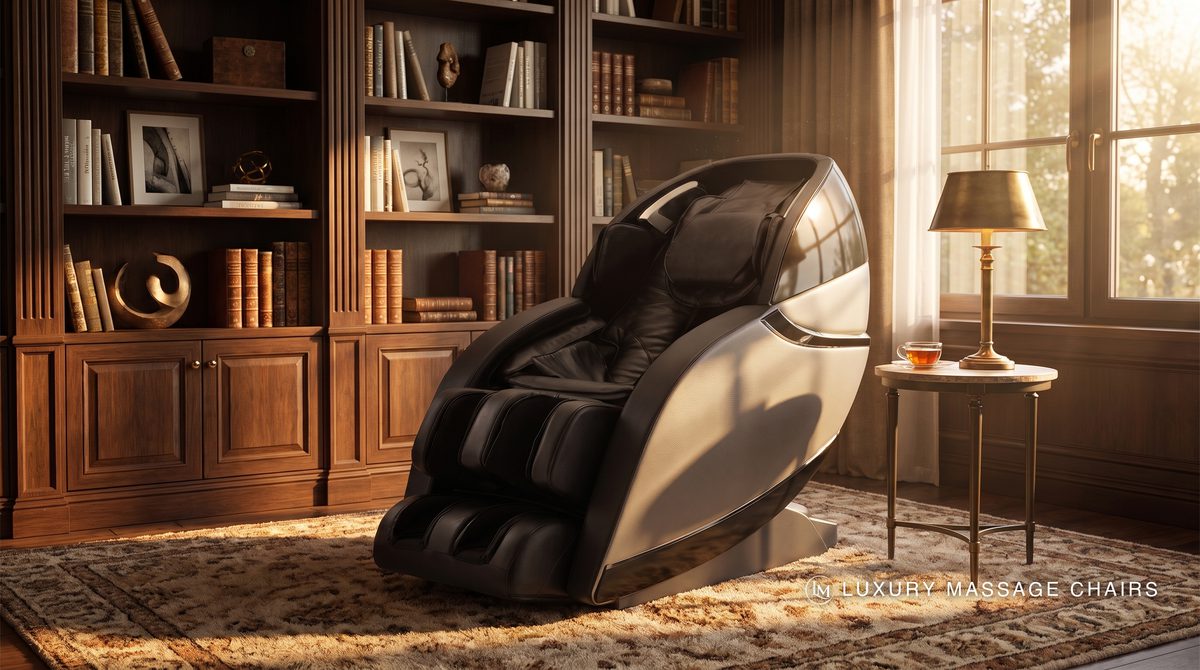
Training is the easy part. Recovery is where progress is actually made, and it is the part most athletes shortchange. If you train hard and want a repeatable way to wind down at home, a massage chair for athletes is one of the more practical tools you can own, sitting somewhere between a foam roller and a standing appointment with a sports-massage therapist.
The pitch is simple. Consistency beats intensity when it comes to recovery, and a chair in your living room removes every excuse. You do not book it, drive to it, or tip it. You sit down after a session, start a program, and let it support your muscle recovery while you catch your breath.
This guide covers what a massage chair can realistically do for soreness and blood circulation, how to build a warm-down routine around it, and why 4D rollers paired with a deep zero-gravity recline suit athletes in particular. We will keep the claims honest and flag when your body needs a professional instead.
What recovery actually needs
Recovery is not one thing. After a hard effort your muscles are fatigued and slightly inflamed, waste products need clearing, your nervous system is elevated, and tissue is stiffening as it repairs. A good recovery habit chips away at all of that.
A massage chair contributes on a few of those fronts. Rhythmic pressure encourages blood circulation, which is central to how the body delivers nutrients and clears byproducts. Kneading helps tight, fatigued muscle relax rather than seize up. And lying back in a calm, warm recline pulls your nervous system down from its post-training high, which is when real repair happens.
- Encourages blood circulation to fatigued muscle
- Helps tight tissue release instead of stiffening
- Shifts your nervous system from wired to recovering
- Gives you a consistent, low-effort daily habit
None of this replaces the fundamentals. Sleep, nutrition, and sensible programming still do the heavy lifting. A chair makes the muscle recovery you are already doing easier to keep up.
DOMS and soreness, what a chair can and cannot do
Delayed onset muscle soreness, or DOMS, is that deep ache that peaks a day or two after an unfamiliar or especially hard session. It is a normal part of adaptation, not damage you need to fear, but it is uncomfortable and it can blunt your next workout.
Gentle massage is one of the better-tolerated ways to take the edge off DOMS. Research on massage broadly suggests it can help many people feel less soreness and more comfortable in the days after hard training. The likely reasons are the ones above, better blood circulation, reduced muscle tension, and a calmer nervous system.
Be clear-eyed about the ceiling. A chair will not erase soreness or let you skip recovery time your body actually needs. It makes the soreness more manageable and helps you feel looser sooner. Treat it as a tool that smooths the rough edges of a training block, not a cheat code that removes them.
Circulation and the warm-down
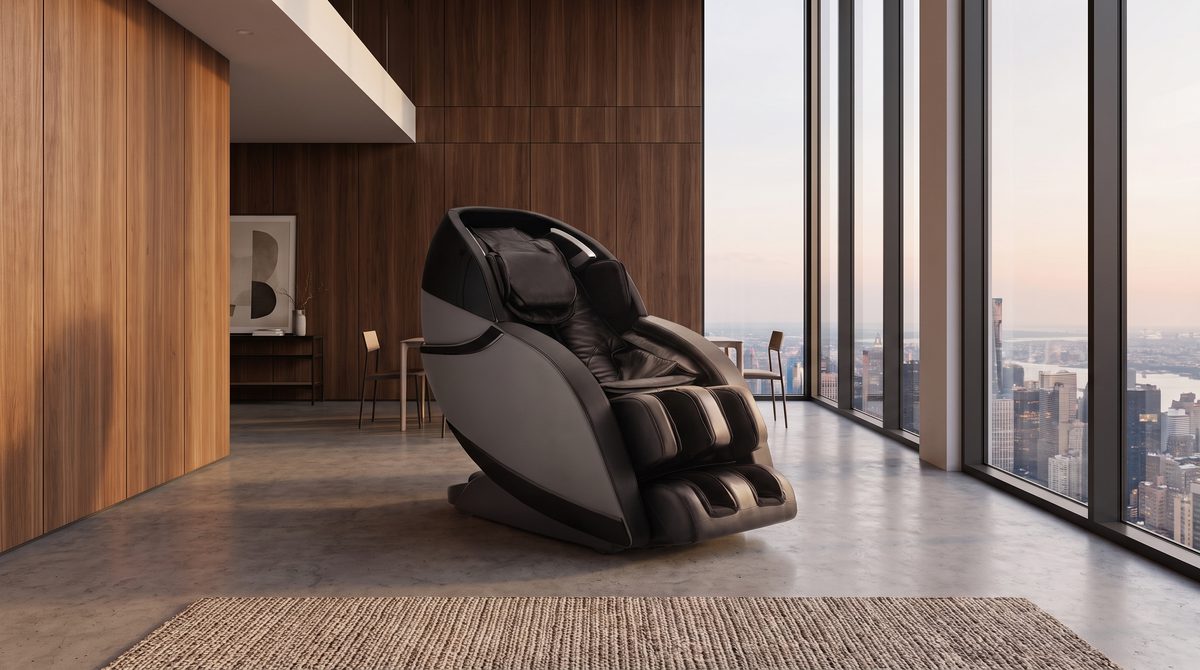
Blood circulation is where a massage chair quietly earns its keep for athletes. After training, getting blood moving through fatigued muscle without adding load is exactly what a warm-down is for, and a chair delivers that passively.
The trick is to use it as part of a routine rather than a random luxury. A simple, repeatable post workout warm-down might look like this.
- Finish training and do your usual light cool-down movement
- Hydrate and change out of sweaty gear
- Sit into a gentle-to-moderate full-body program for ten to fifteen minutes
- Add lower-body focus on the muscle groups you trained hardest
- Recline into zero gravity for the last few minutes and let your breathing slow
Keep the intensity moderate right after a hard session. This is a warm-down, not a deep-tissue battle. Save the firmer, more targeted work for a separate time when your muscles are not freshly hammered.
Pre and post workout timing
A quick word on timing, because pre and post workout use serve different goals. Before training, a short and gentle session can help you feel loose and ready, as long as you keep it light so you do not over-relax muscles you are about to load. After training is where most athletes get the real value, using the chair as a warm-down that supports muscle recovery.
If you have a rest day, that is a fine time for firmer, more targeted work on lingering tight spots. Match the session to the day and you will get more from the chair than treating every visit the same.
Why 4D rollers suit athletes
Athletic muscle is dense, and generic massage often skates across the surface without reaching much. This is where roller quality separates a toy from a tool, and the step up from 3D to 4D matters here.
3D rollers can adjust how far they press out from the chair, giving you real depth. 4D rollers add variable rhythm and speed to that depth, so the massage can slow down and lean into a stubborn spot, then speed up across a broader area. The result feels less mechanical and more like a therapist varying their touch, which is what dense, fatigued muscle responds to.
For athletes, that adjustability is the point. You want to go firm on a tight calf or hamstring and gentle across a sensitive lower back in the same session. Our explainer on the 2D, 3D, and 4D difference covers the mechanics if you want the full picture. Flagship 4D chairs are built around exactly this kind of deep, variable roller work, which is why they suit serious training the best.
Why deep zero gravity matters for recovery
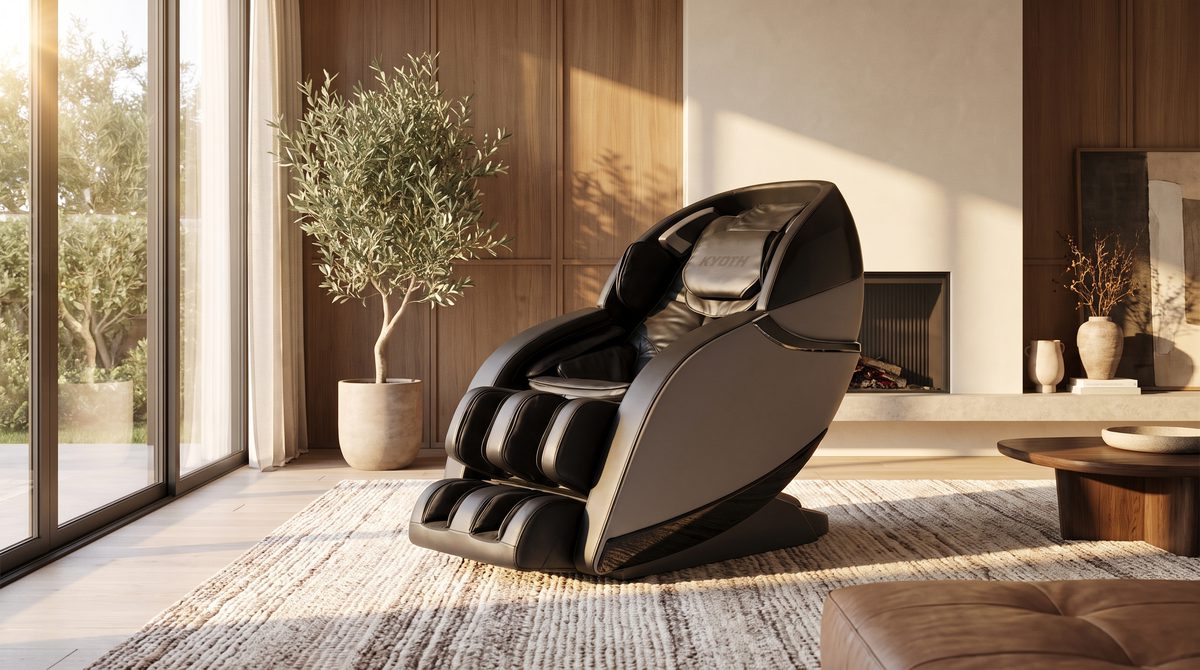
Pair those rollers with a deep zero-gravity recline and the whole experience changes. Zero gravity borrows a posture originally designed for astronauts, reclining you so your knees rise toward heart level and your weight distributes across the frame of the chair instead of your spine.
Two things happen that matter for recovery. First, your muscles stop bracing to hold you upright, so the rollers sink deeper into fatigued tissue for the same pressure, reaching muscle a seated massage cannot. Second, the reclined, supported posture is deeply calming, which helps switch your nervous system into recovery mode.
The best chairs offer more than one zero-gravity stage, so you can choose a moderate recline for a warm-down or a near-flat position for a longer, deeper session. Our full breakdown of how zero gravity works explains why the deeper the recline, the more effective the massage tends to feel. For athletes, the combination of 4D depth and a genuinely deep recline is the pairing worth paying for.
Building recovery into a real routine
A recovery tool only works if you use it, and the reason a chair beats most alternatives is friction. There is almost none. A little structure keeps the habit alive.
Anchor sessions to something you already do. A gentle program in the evening pairs naturally with winding down before bed, and the relaxation carries over into sleep, which is the single most important recovery input you have. If you want to lean into that, our piece on massage chairs and sleep covers the evening angle.
And do not overdo it. More is not better with massage, and a keyed-up muscle needs rest as much as it needs pressure. If you are still weighing the purchase, our honest look at whether a massage chair is worth it is worth a read.
When to see a professional
A massage chair is for normal training soreness and general recovery. It is not treatment for an injury, and using it on one can make things worse.
Please see a doctor, physical therapist, or sports-medicine professional if you have a suspected strain, sprain, or tear, sharp or localized pain, swelling, or any pain that gets worse rather than better. The same goes for numbness, tingling, or a joint that does not feel right. A chair is not diagnostic, and pushing pressure into an injury delays the care that will actually get you back to training.
If you are managing a medical condition, recovering from surgery, or unsure whether massage is appropriate for you, check with your clinician first. Used sensibly and within its lane, a massage chair is a low-risk, high-consistency addition to a real recovery routine.
Frequently Asked Questions
Can a massage chair help with DOMS?
It can help you feel less sore and more comfortable in the days after hard training. Gentle massage encourages blood circulation, helps fatigued muscle relax, and calms the nervous system, which many people find eases delayed onset muscle soreness. It will not erase soreness entirely or replace the recovery time your body needs, so treat it as relief rather than a shortcut.
Should I use a massage chair before or after a workout?
After is where most athletes get the most value, as a warm-down that supports muscle recovery. A brief, gentle session before training can help you feel loose, but keep it light so you do not over-relax muscles you are about to load. Save firmer, deeper work for a separate time from your hardest sessions.
Is a 4D chair worth it for athletes?
For serious training, usually yes. 4D rollers add variable rhythm and speed to adjustable depth, so they can go firm on dense, tight muscle and gentle on sensitive areas within one session. That adjustability suits athletic muscle better than fixed, shallow massage.
How often should an athlete use a massage chair?
Daily use is fine as long as you keep the intensity sensible. Short sessions of ten to fifteen minutes, matched to how hard you trained that day, work better than occasional marathon sessions. Go gentle after hard efforts and firmer on rest days.
Can a massage chair improve performance directly?
Not directly. It supports recovery, and better recovery is what lets you train more consistently and show up fresher, which is where performance gains come from. Think of it as protecting the work you already do rather than adding output on its own.
Recover like you train
If you take training seriously, take recovery seriously too, and make it easy enough that you actually do it. A massage chair for athletes gives you a repeatable warm-down at home, better blood circulation, soreness relief, and a nervous-system reset in fifteen quiet minutes. Prioritize deep 4D rollers and a genuinely deep zero-gravity recline, then browse the collection and let consistent recovery do its work between sessions.
The chair featured in this article
Kyota Kansha M878 4D Massage Chair
View this chair →